Book Appointment Now

Bariatric Surgery for Weight Loss
Considering weight loss surgery to manage obesity and improve your health? KenZen Health Tech helps patients connect with doctors who provide bariatric treatment at the healthcare facilities where they practise.
Explore available surgical options, understand the potential benefits and risks, and discuss your suitability for treatment with a qualified specialist.
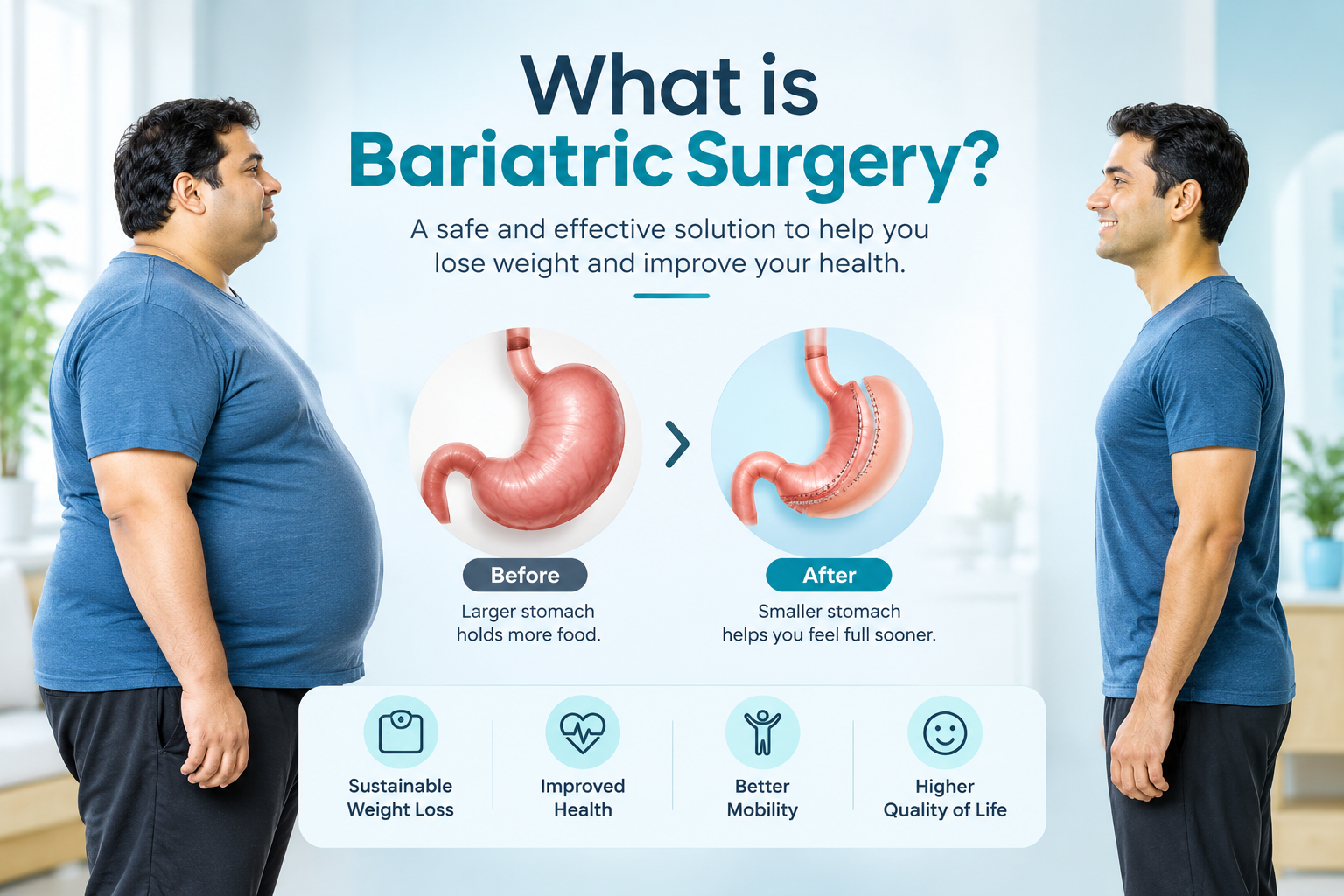
What Is Bariatric Surgery?
Bariatric surgery refers to surgical procedures that help manage obesity by changing the digestive system. Depending on the procedure, surgery may reduce the size of the stomach or change how food moves through the digestive tract.
For people living with obesity, bariatric surgery may be considered when other weight-management approaches have not achieved the desired results and a specialist determines that surgery may be appropriate.
How Can Bariatric Surgery Help?
Support weight management: Surgery can help eligible patients achieve significant weight loss, although individual results vary.
Influence appetite and fullness: Depending on the procedure, changes to the stomach and digestive system can affect hunger and how full you feel.
Potentially improve obesity-related health conditions: Some patients may experience improvements in conditions associated with obesity. Outcomes depend on individual circumstances.
Encourage long-term lifestyle changes: Nutrition guidance, follow-up appointments and sustainable habits remain important after surgery.
Is Bariatric Surgery Right for You?
Bariatric surgery is not suitable for everyone. A qualified specialist will assess your health, medical history, weight-management goals and potential risks before recommending a treatment option.
KenZen Health Tech helps patients connect with relevant doctors to discuss available options and understand the next steps in their treatment journey.
Types of Bariatric Surgery
Different bariatric procedures help manage obesity in different ways. The appropriate option depends on your health, medical history, weight-management goals and a specialist’s assessment.
Sleeve Gastrectomy
Sleeve gastrectomy is a surgical procedure in which a substantial portion of the stomach is removed, leaving a smaller, sleeve-shaped stomach. This can affect the amount of food you can eat and influence appetite.
Gastric Bypass
Gastric bypass surgery creates a smaller stomach pouch and reroutes part of the small intestine. This changes food intake and nutrient absorption and can influence metabolic processes.
Other Surgical Options
Other bariatric procedures may be considered in selected circumstances. Their suitability depends on individual clinical factors and the expertise of the treating specialist.
Which Procedure Is Right for You?
There is no single procedure that is best for everyone. A qualified bariatric specialist can explain the available options, potential benefits, risks, recovery requirements and long-term follow-up.
KenZen Health Tech helps patients connect with relevant doctors to discuss their treatment options and the next steps in care.
Who May Be Suitable for Bariatric Surgery?
Bariatric surgery may be considered for people living with obesity when excess weight affects their health and other weight-management approaches have not provided sufficient, lasting results.
Whether surgery is appropriate depends on several factors, including your current health, medical history, weight-management goals and any conditions associated with obesity.
You May Consider a Specialist Consultation If You:
Have struggled to achieve or maintain weight loss through lifestyle changes alone.
Have obesity-related health concerns, such as type 2 diabetes or high blood pressure.
Want to understand whether surgical weight management may be appropriate for you.
Are prepared to discuss dietary changes, recovery, follow-up appointments and long-term lifestyle adjustments.
What Does a Doctor Assess Before Surgery?
A specialist may review your medical history, weight and BMI, existing health conditions, previous weight-management treatments and readiness for long-term follow-up. Depending on your needs, other healthcare professionals may also be involved in the assessment.
Is Bariatric Surgery Right for You?
There is no single answer for every patient. A qualified bariatric specialist can explain the available options, potential benefits, risks and alternatives before recommending an appropriate course of treatment.
KenZen Health Tech helps patients connect with relevant doctors to discuss their weight-management needs and explore the next steps.
Benefits and Risks of Bariatric Surgery
Bariatric surgery can be an effective treatment option for eligible people living with obesity. It may support significant weight loss and improve certain health conditions associated with obesity. However, as with any major surgery, it involves risks and requires long-term follow-up.
Potential Benefits of Bariatric Surgery
Weight management: Bariatric surgery can help eligible patients achieve substantial weight loss, although individual results vary.
Improvement in related health conditions: Some patients experience improvements in type 2 diabetes, high blood pressure and other obesity-related conditions.
Changes in hunger and fullness: Depending on the procedure, surgery can affect appetite, food intake and feelings of fullness.
Mobility and quality of life: Weight loss may help some patients move more comfortably and participate more easily in everyday activities.
Long-term health support: With appropriate medical care and lifestyle changes, surgery may help patients manage obesity over the long term.
Possible Risks and Complications
Surgical complications: These may include bleeding, infection, blood clots or leakage from the stomach or surgical connections.
Digestive symptoms: Some patients may experience nausea, vomiting, acid reflux or changes in bowel habits, depending on the procedure.
Nutritional deficiencies: Changes to food intake or nutrient absorption can increase the risk of vitamin and mineral deficiencies.
Recovery and dietary adjustment: Patients need time to recover and must follow a structured eating plan as advised by their healthcare team.
Weight regain: Some patients regain weight over time, making continued lifestyle support and medical follow-up important.
The Importance of Long-Term Follow-Up
Bariatric surgery is not a one-time solution that removes the need for ongoing care. Regular medical reviews, nutritional guidance, appropriate supplements and sustainable lifestyle habits are important after surgery.
Make an Informed Treatment Decision
The potential benefits and risks differ according to the procedure and each patient’s health. A qualified bariatric specialist can explain the available options and help you understand what to expect before making a decision.
Discuss Bariatric Surgery With a Specialist
What to Expect Before and After Bariatric Surgery
Preparing for bariatric surgery involves more than the procedure itself. Medical assessment, preparation, recovery and long-term follow-up all play important roles in your treatment journey.
1. Initial Consultation
Discuss your weight-management goals, medical history, previous weight-loss attempts and any health conditions with a qualified bariatric specialist. Your doctor can explain whether surgical treatment may be appropriate for you.
2. Medical Assessment and Preparation
Before surgery, your healthcare team may recommend blood tests, other medical investigations, nutritional assessment and additional specialist consultations. You will also receive instructions about medication, diet and preparation for the procedure.
3. The Surgical Procedure
Your surgeon will explain the recommended procedure, how it is performed, the expected hospital stay and potential complications. The details depend on the type of bariatric surgery selected and your individual circumstances.
4. Hospital Recovery
After surgery, your healthcare team will monitor your recovery and help you begin moving and drinking fluids as advised. Your hospital team will guide you on managing discomfort, recognising warning signs and preparing for discharge.
5. Gradual Dietary Changes
Your diet will usually progress through different stages, beginning with liquids and advancing to other food textures as advised by your healthcare team. Following dietary instructions, staying hydrated and taking recommended nutritional supplements are important parts of recovery.
6. Follow-Up and Long-Term Care
Regular follow-up helps your healthcare team monitor your recovery, nutritional status, weight-management progress and overall health. You may need ongoing nutritional supplements, blood tests and guidance on physical activity and lifestyle changes.
Begin Your Bariatric Treatment Journey
Every patient has different medical needs and recovery requirements. A qualified specialist can explain the treatment process, preparation and aftercare relevant to you.
KenZen Health Tech helps patients connect with relevant doctors to discuss bariatric treatment options and understand the next steps.
Request a Bariatric Consultation
Frequently Asked Questions About Bariatric Surgery
1. What is bariatric surgery?
Bariatric surgery, also known as weight loss surgery, includes surgical procedures that change the digestive system to help manage obesity. Depending on the procedure, it may reduce the stomach’s capacity or change how food moves through the digestive tract.
2. Who is eligible for weight loss surgery?
Eligibility depends on factors such as BMI, obesity-related health conditions, medical history and previous weight-management attempts. A qualified bariatric specialist will assess your circumstances and determine whether surgery may be appropriate.
3. Which types of bariatric surgery are available?
Common procedures include sleeve gastrectomy and gastric bypass. The recommended option depends on your health, treatment goals and clinical assessment. Ask your specialist which procedures are available and appropriate for you.
4. How much weight can I lose with bariatric surgery?
Weight loss varies according to the procedure, starting weight, individual health and adherence to recommended lifestyle changes. Your surgeon can discuss realistic expectations for your circumstances. Results are not guaranteed, and weight regain can occur.
5. Is bariatric surgery safe?
Bariatric surgery can benefit eligible patients, but it carries risks like other major operations. Potential complications include bleeding, infection, blood clots and digestive or nutritional problems. Your surgeon can explain the risks associated with the recommended procedure.
6. How long does recovery from bariatric surgery take?
Recovery varies depending on the type of surgery, your health and whether complications occur. Your healthcare team will advise you on hospital discharge, returning to daily activities, dietary progression and when you can resume exercise.
7. Will I need to follow a special diet after surgery?
Yes. After surgery, you will generally follow a staged eating plan before gradually progressing to other foods as advised by your healthcare team. Long-term dietary guidance, nutritional supplements where prescribed and regular monitoring may be necessary.
8. Can bariatric surgery help with type 2 diabetes?
Some patients experience improvements in type 2 diabetes and other obesity-related conditions following bariatric surgery. The extent of improvement varies, and surgery does not guarantee remission or eliminate the need for medication.
9. How much does bariatric surgery cost in Delhi NCR?
The total cost depends on the procedure, hospital, surgeon, preoperative investigations, hospital stay and follow-up services. Contact KenZen Health Tech to enquire about available treatment options and current pricing.
10. How can I consult a bariatric specialist through KenZen?
You can submit a consultation request through KenZen Health Tech. The team can help connect you with a relevant doctor to discuss your health concerns, available treatment options, suitability and next steps.
Ready to explore your options?
Speak with a qualified specialist to understand whether bariatric surgery may be appropriate for you.
Explore Bariatric Surgery Options With KenZen Health Tech
Considering weight loss surgery to help manage obesity? The first step is understanding your options and receiving the right medical guidance.
KenZen Health Tech helps patients connect with doctors who provide bariatric treatment at the healthcare facilities where they practise. Discuss your weight-management goals, learn about available procedures and understand the potential benefits, risks, costs and recovery requirements.
Take the Next Step
Request a consultation to discuss your needs and explore whether bariatric surgery may be suitable for you.
Treatment recommendations depend on an individual medical assessment by a qualified healthcare professional.
KenZen Health Tech is a doctor-founded healthcare organisation helping patients access specialised medical and surgical treatment through doctors and healthcare facilities where they practise.
KenZen Health Tech
Treatments
Policies
Book Appointment
©2026 Kenzen Health Tech Pvt. Ltd. All Rights Reserved.